
Backflow System Repair Throughout Hawaii
Fix Backflow Problems Before Protection Is Compromised
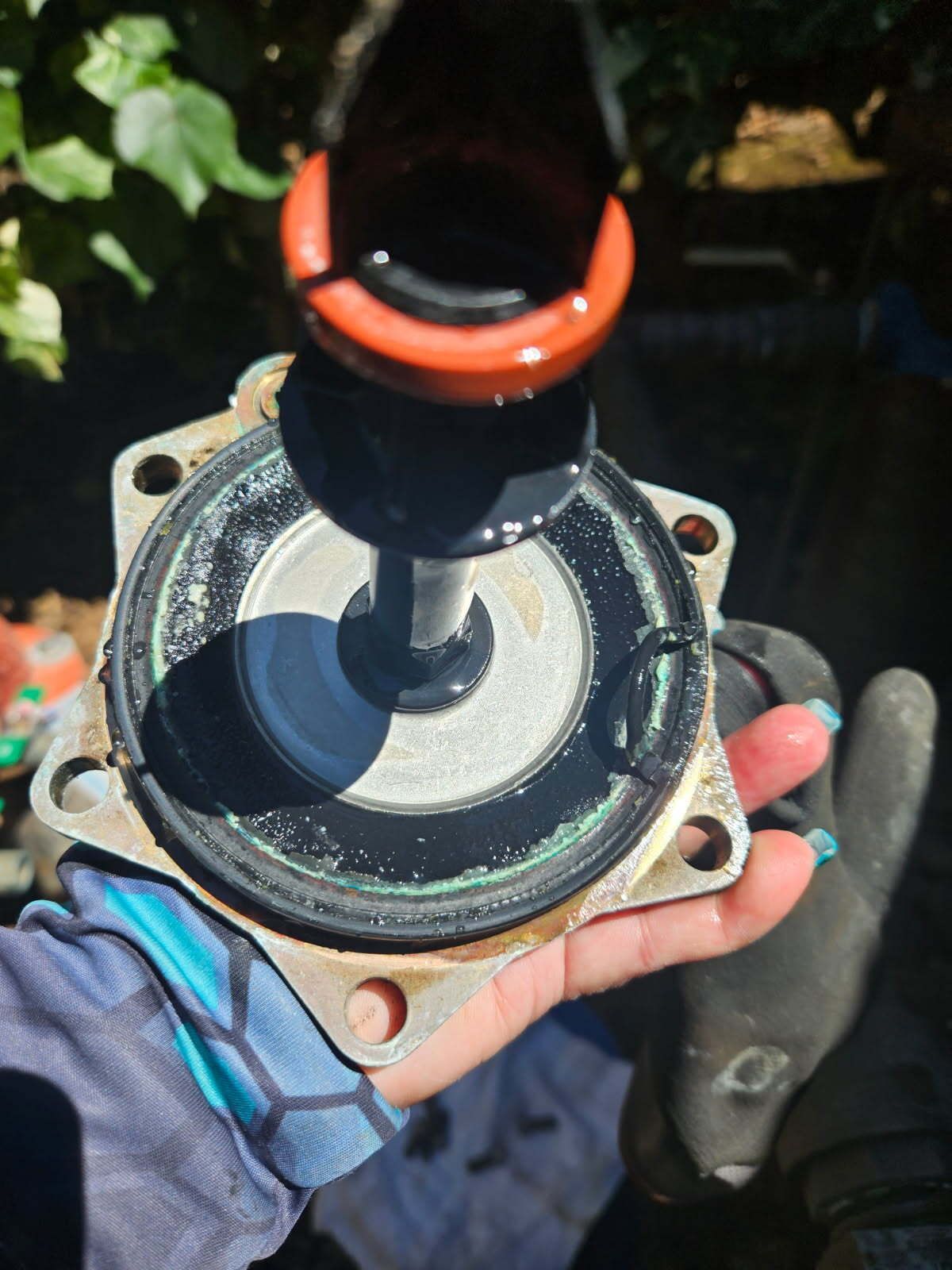
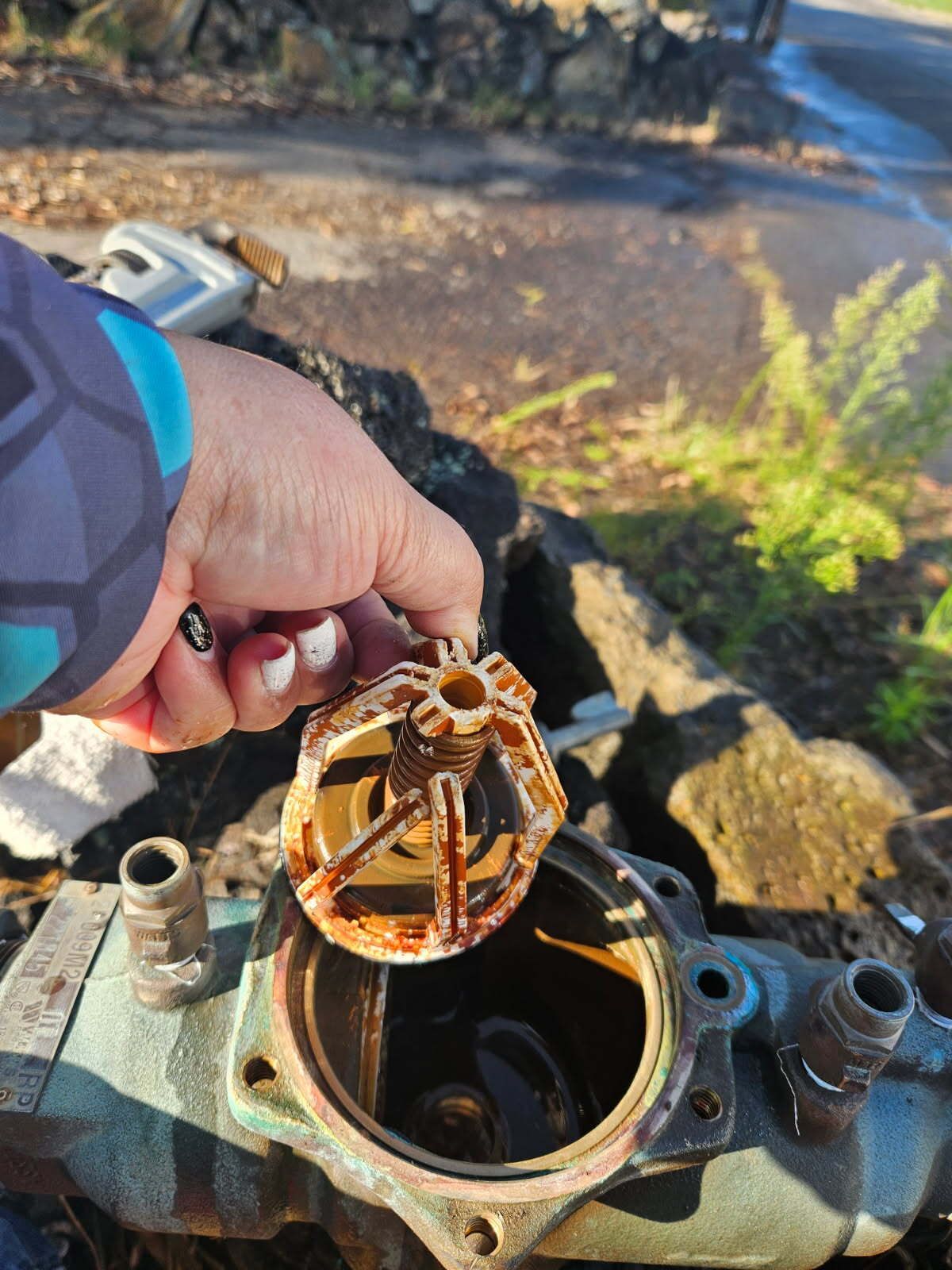
Most backflow failures trace to something small: a grain of sand on a check seat, a rubber disc hardened by years of warm water, or a spring that no longer closes with authority. Backflow Testing Hawaii LLC repairs reduced pressure assemblies, double check valve assemblies, and pressure vacuum breakers for homes, rental buildings, irrigation systems, and commercial properties throughout Kailua-Kona and across the islands, restoring devices that failed an annual test or started discharging water without any warning. We serve all of Hawaii, including Honolulu, Lihue, Kahului, Lahaina, Kihei, and communities throughout Kauai, Maui, and the Big Island.
State licensing rules limit backflow repair work to qualified plumbing professionals, and we work within them on every job. Rebuild kits and replacement internals ride with us on the truck, so a straightforward failure usually gets resolved during the same visit rather than waiting on a parts order. With 6 years of repairs behind us, property owners get fewer surprises and a faster return to compliance. Tell us exactly what your device is doing through our contact page, and we will take it from there.
Explore Our Backflow System Repair Services
Check Valve Repair and Rebuild
Springs weaken and rubber discs harden, letting pressure slip past a seat that should hold firmly. Disassembly, cleaning, and fresh internals restore the tight seal a passing test depends on, without the expense of a whole new assembly.
Relief Valve Repair
Continuous discharge from the vent usually points to a fouled or damaged relief mechanism rather than a plumbing emergency. Cleaning the seat, replacing the diaphragm, and verifying the opening differential stops the water loss and returns proper protection.
Shut-off and Test Cock Replacement
Seized or weeping shut-off valves make accurate readings impossible and turn future testing into guesswork. Replacing them restores clean isolation, which matters just as much for repairs, winterizing, and any emergency situation where flow has to be stopped quickly.
Rubber Seal and Spring Kit Replacement
Manufacturer rebuild kits contain the exact seats, discs, O-rings, and springs a given model was originally designed around. Fitting the correct kit brings performance back to original specification and typically costs a small fraction of full device replacement.
Backflow Assembly Replacement
Cracked bodies, obsolete models, and devices too corroded to rebuild reach the end of their usable life. Swapping in an approved replacement of matching size and hazard rating restores protection and satisfies the approval process at the same time.
Post-Repair Retesting and Reporting
Repairs only count once fresh gauge readings confirm that they worked. Every completed job here ends with a full test, a signed report, and submission to the agency, closing the compliance loop instead of leaving it hanging open.
Why Choose Us for Backflow System Repair
Parts Already On Board
Waiting a week for a rebuild kit is frustrating when the device is discharging water the entire time. Common internals for widely used models travel with us, which means the majority of repairs finish during that first appointment.
Repair Considered Before Replacement
Replacing an assembly that only needed a new seat and a spring is money wasted. Devices get assessed honestly, and rebuilding wins whenever the body is sound, which keeps your cost proportional to the actual problem rather than the worst case.
Retested Before the Job Closes
Handing back a repaired device without proof that it works is only half the job. Fresh gauge readings confirm the fix held, and the resulting report is exactly what the water department needs before your connection counts as compliant again.
Compliance Restored Without Delay
Every day a failed device stays failed is another day closer to enforcement action. A quick turnaround keeps those notices from escalating and protects tenants, staff, and customers from the disruption that an interruption in water service would create.
A Clear Explanation of the Failure
Knowing why a device failed helps you decide whether to rebuild now or plan a replacement later. You get the specific cause, the condition of the surrounding components, and an honest read on how much service life remains.
Work That Meets Licensing Requirements
Any repair done outside the licensing rules can invalidate a report and leave a property exposed. Staying inside those requirements protects your compliance record and means the paperwork stands up whenever an agency or an insurer reviews it later.
A Failed Device Is a Fixable Problem, Not a Crisis
Discovering that an assembly failed its test, or walking outside to water pouring from a relief port, tends to feel worse than the repair actually is. In most cases the fix is a set of fresh internals, a careful cleaning, and about an hour of steady work. Backflow Testing Hawaii LLC brings the parts, does the rebuild properly, retests the device, and files the report so your Hawaii record reads compliant again. If your device is discharging, seized, or sitting on a failed report right now, reach us through our contact page and we will get it sorted quickly.
Frequently Asked Questions
Why is my backflow preventer leaking from the relief valve?
Steady discharge usually means debris is holding a check valve open or that the relief diaphragm has failed. Occasional dripping after a pressure fluctuation can be normal, but constant flow signals a repair the device needs fairly soon.
Can a failed backflow preventer be repaired instead of replaced?
Usually yes. Most failures involve seats, discs, O-rings, or springs, and all of those come in manufacturer rebuild kits made for the model. Replacement becomes the better path when the body is cracked, badly corroded, or no longer on the approved list.
How long does a backflow repair take?
A typical rebuild takes 1 to 2 hours including the retest, provided the correct kit is on hand. Full replacement takes considerably longer, because the old device has to come out and the new installation needs inspection and verification.
What causes the check valves inside an assembly to fail?
Grit and scale carried through the line lodge on seating surfaces and prevent them closing fully. Rubber components also harden with age and warm water exposure, and springs gradually lose the tension needed to close a check decisively.
Does an assembly need retesting after a repair?
Always. A repair is unverified until gauge readings prove each component performs within specification, and the water department expects a fresh report. Skipping that step leaves your connection recorded as failed on the agency's file regardless of what was actually fixed.
How long does a backflow preventer last before replacement?
Well-maintained assemblies commonly serve 10 to 15 years, and sometimes longer, with periodic rebuilds along the way. Backflow Testing Hawaii LLC sees coastal exposure around Kailua-Kona, HI, shorten that span considerably, as does harsh water chemistry or neglecting routine service.
Can debris or corrosion damage a backflow assembly?
Both do real harm. Sand and scale score seating surfaces so the checks cannot close, while salt-laden air corrodes bolts, bonnets, and springs from the outside in. Backflow Testing Hawaii LLC has met both regularly across 6 years in Kailua-Kona, HI.
Is water discharging from my backflow preventer an emergency?
Treat it as urgent rather than catastrophic. The device is still protecting your supply, but it is also wasting water and signaling an internal failure. Arrange a repair promptly, and never cap or plug the relief port yourself.
What our customers have to say...
Testimonials